Formality follows depth
Darker trousers read more formal; lighter ones more relaxed. Black and charcoal for formal occasions, grey and navy for business, beige, cream and olive for smart casual.
Colour decides formality before the eye has registered cut or cloth. This research page studies nine trouser colours — what each communicates, where it belongs and what to wear with it.
Each colour is presented as a full field. Read them in order and you move from the most formal shades to the most relaxed.
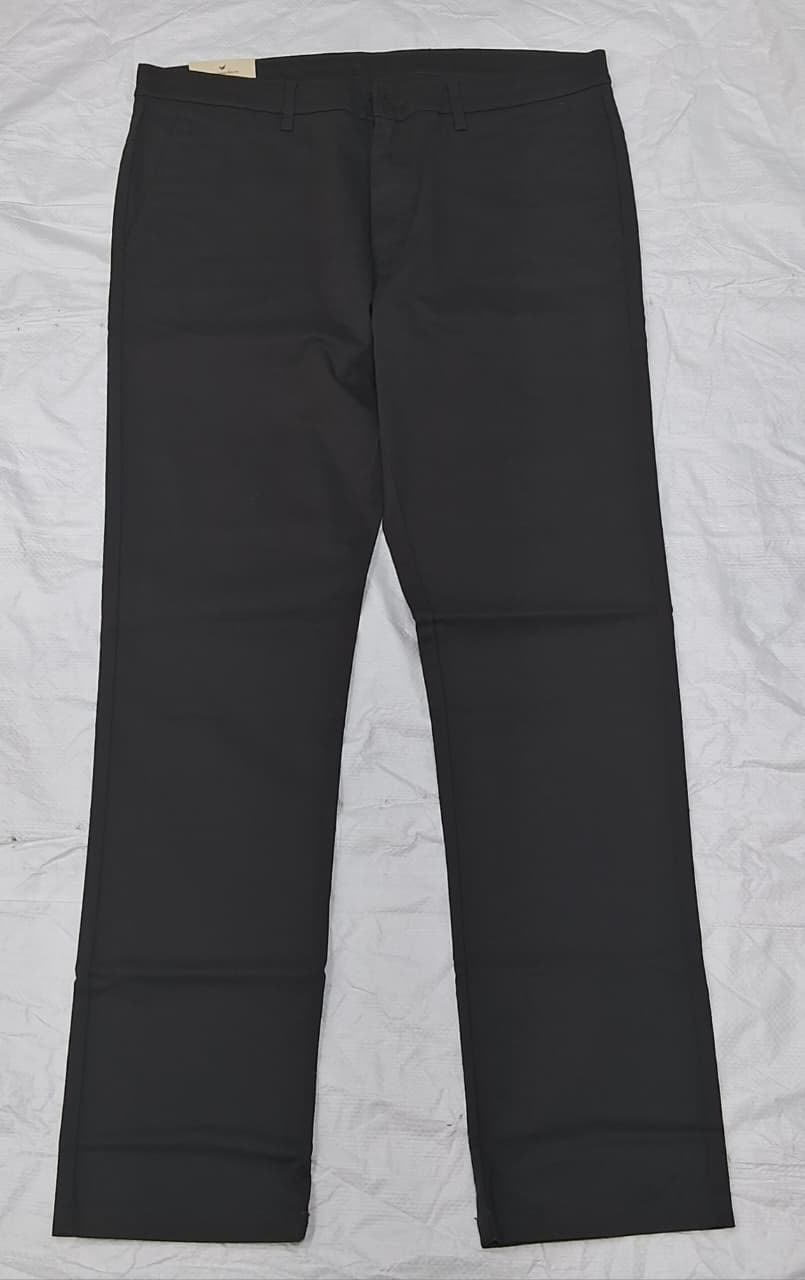
Men's black formal pants carry the highest formality of any trouser colour. Black belongs to evening events, ceremonies and very formal business settings, and it is the natural partner of a black jacket or dinner suit.
As everyday office wear, black can look severe in daylight; charcoal is often the more flexible choice. When you do wear black, keep the contrast clean — a white or pale grey shirt and black leather shoes.
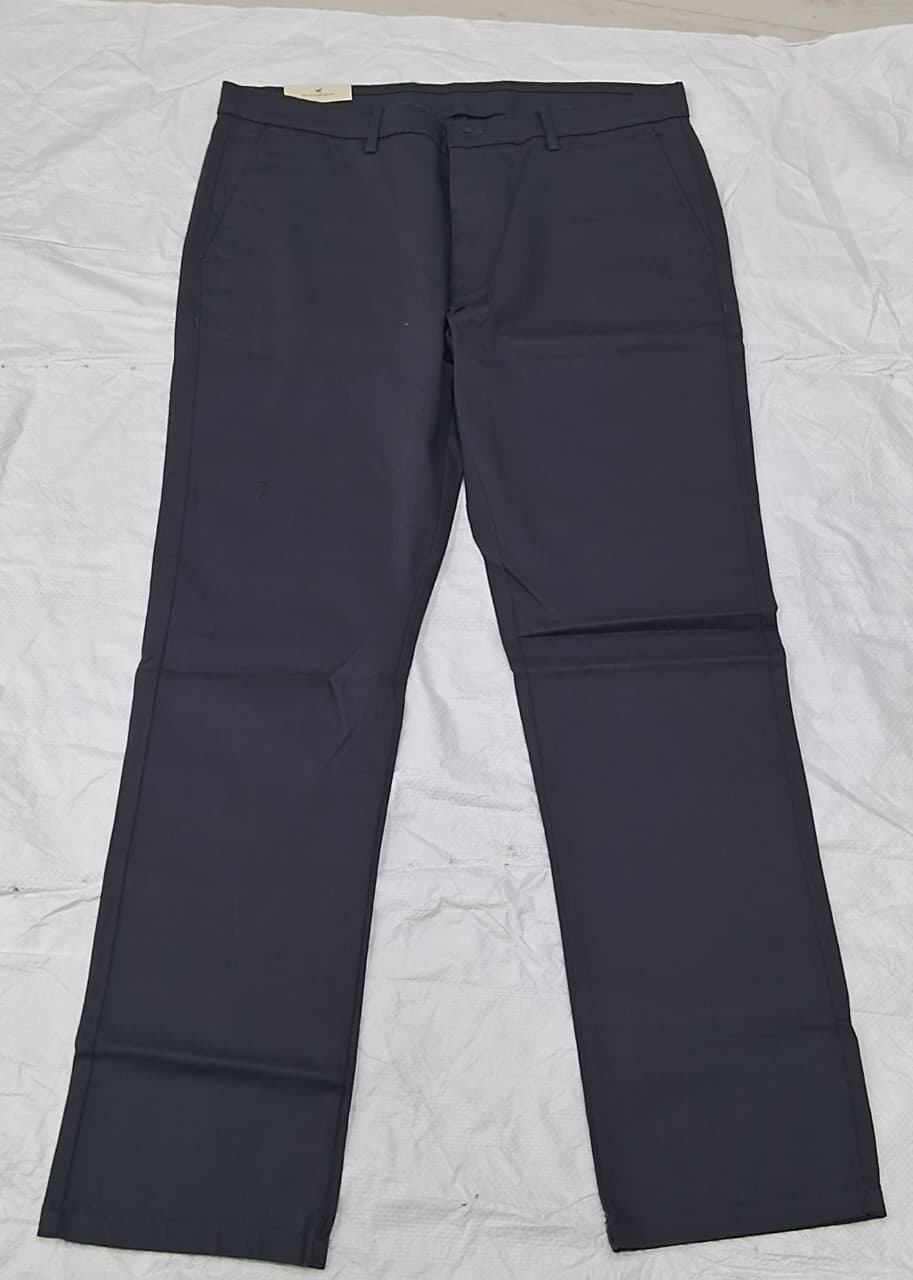
Charcoal is the business colour. It is nearly as formal as black but softer in daylight, and it flatters almost every complexion. Charcoal trousers sit equally well under a navy blazer, a black jacket or a lighter grey one.
It is also one of the most practical colours for the working week: it hides creases and pairs with both black and dark brown shoes.
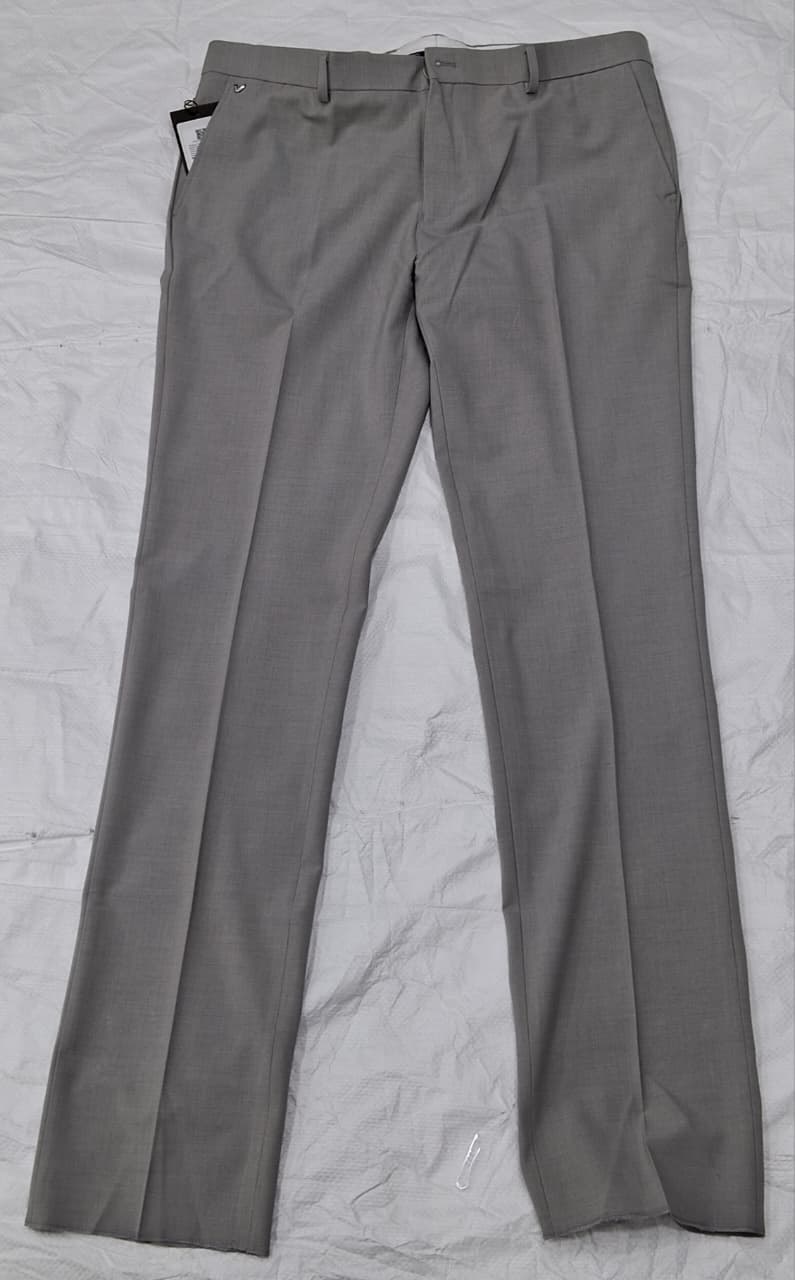
Men's grey formal pants are the most versatile trousers a man can own. Mid and light greys work with navy, charcoal, brown and even olive jackets, and with nearly every shirt colour.
Lighter greys look fresh and modern, especially in warm weather; mid greys are the backbone of a business wardrobe. Because grey is neutral, it lets the cut and fit lead.
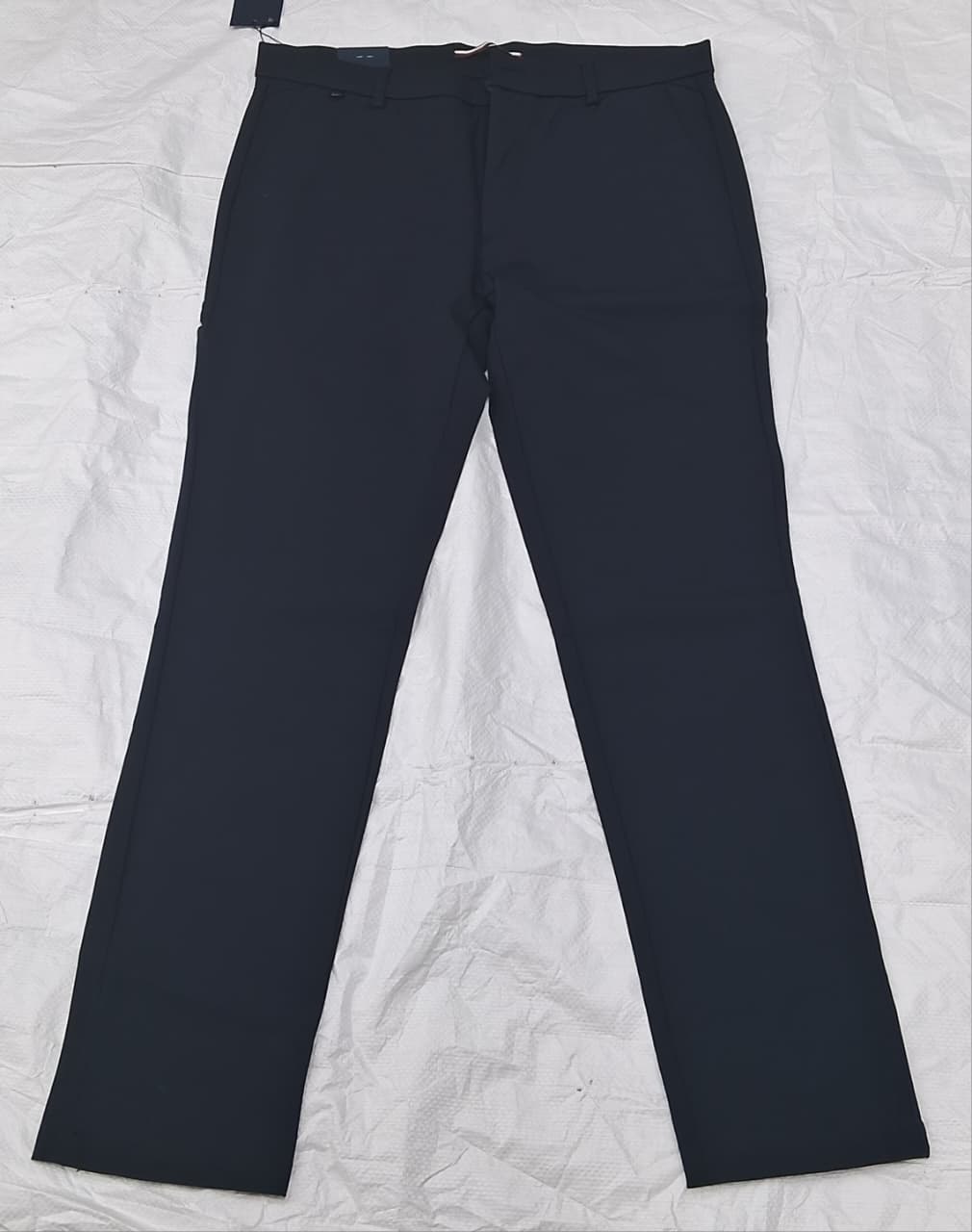
Men's navy formal pants are as formal as charcoal but warmer and more approachable. Navy works with grey, beige and camel jackets, and its natural partners are brown and tan shoes — a combination that is classic without being stiff.
Avoid pairing navy trousers with a navy blazer of a different shade; the near-match looks accidental. Contrast is the key.
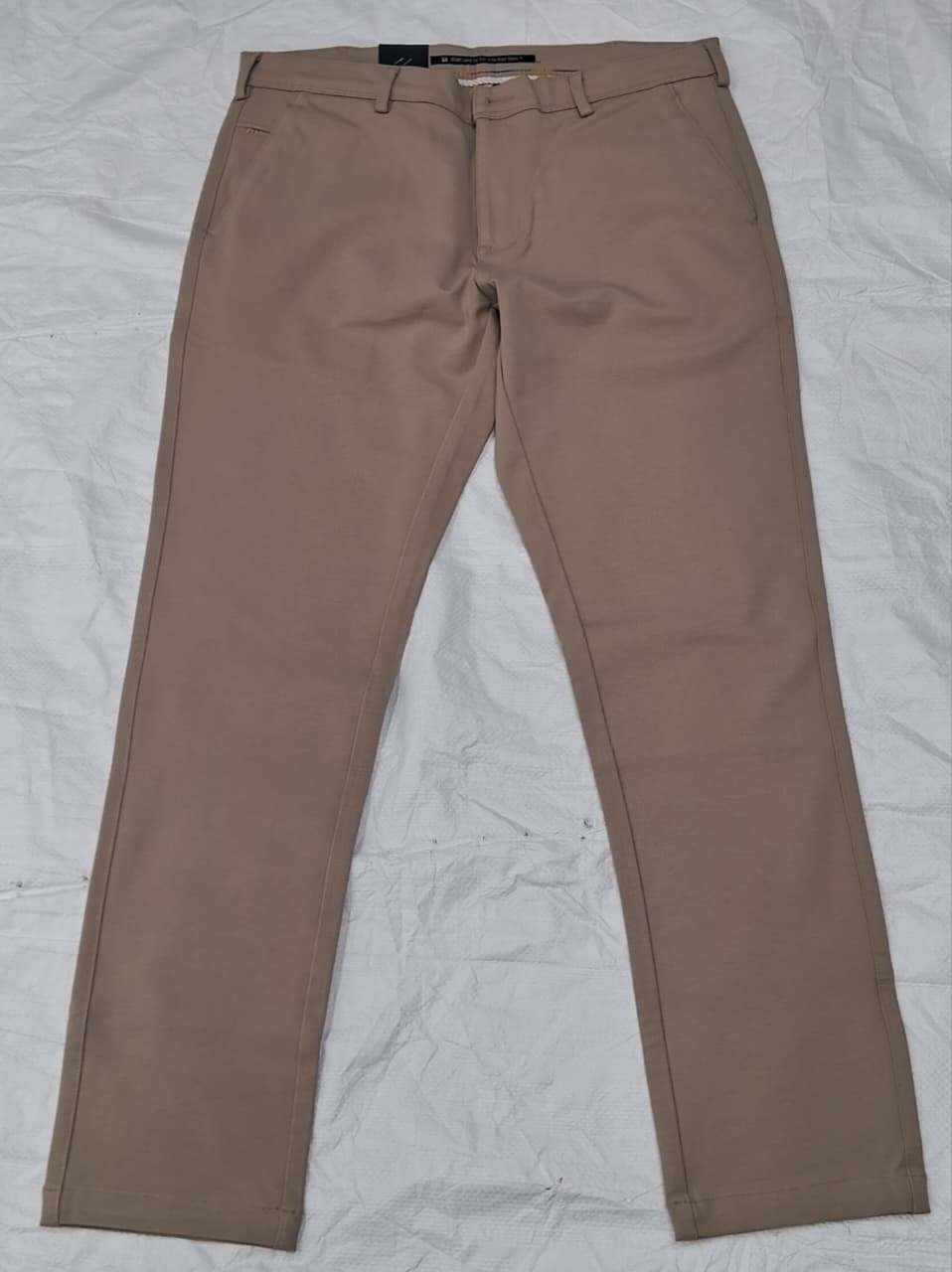
Men's beige formal pants relax an outfit without making it casual. Beige is the classic warm-weather trouser and the cornerstone of smart casual office dressing.
Pair beige with navy blazers, white or sky-blue shirts and brown or tan shoes. Because beige is light, fit matters more: every pull and fold is visible.
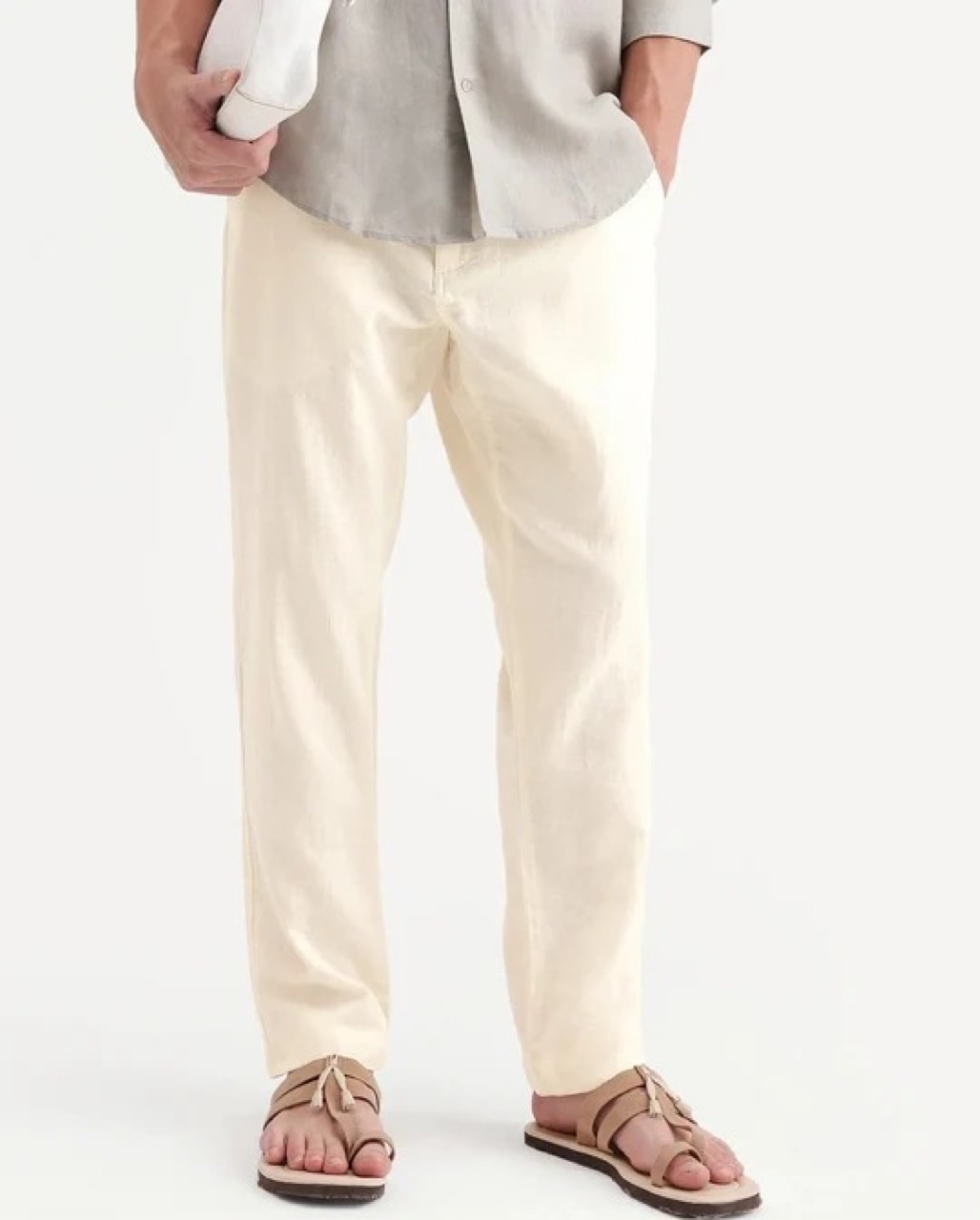
Cream is the lightest formal trouser colour and the most seasonal. It looks crisp at summer events, weddings by day and relaxed workplaces, and it brings out the colour of whatever is worn above it.
Cream works with navy, brown and olive, and with soft pastels. Keep shoes warm in tone — tan, brown or clean white — and avoid black, which looks heavy against such a light colour.
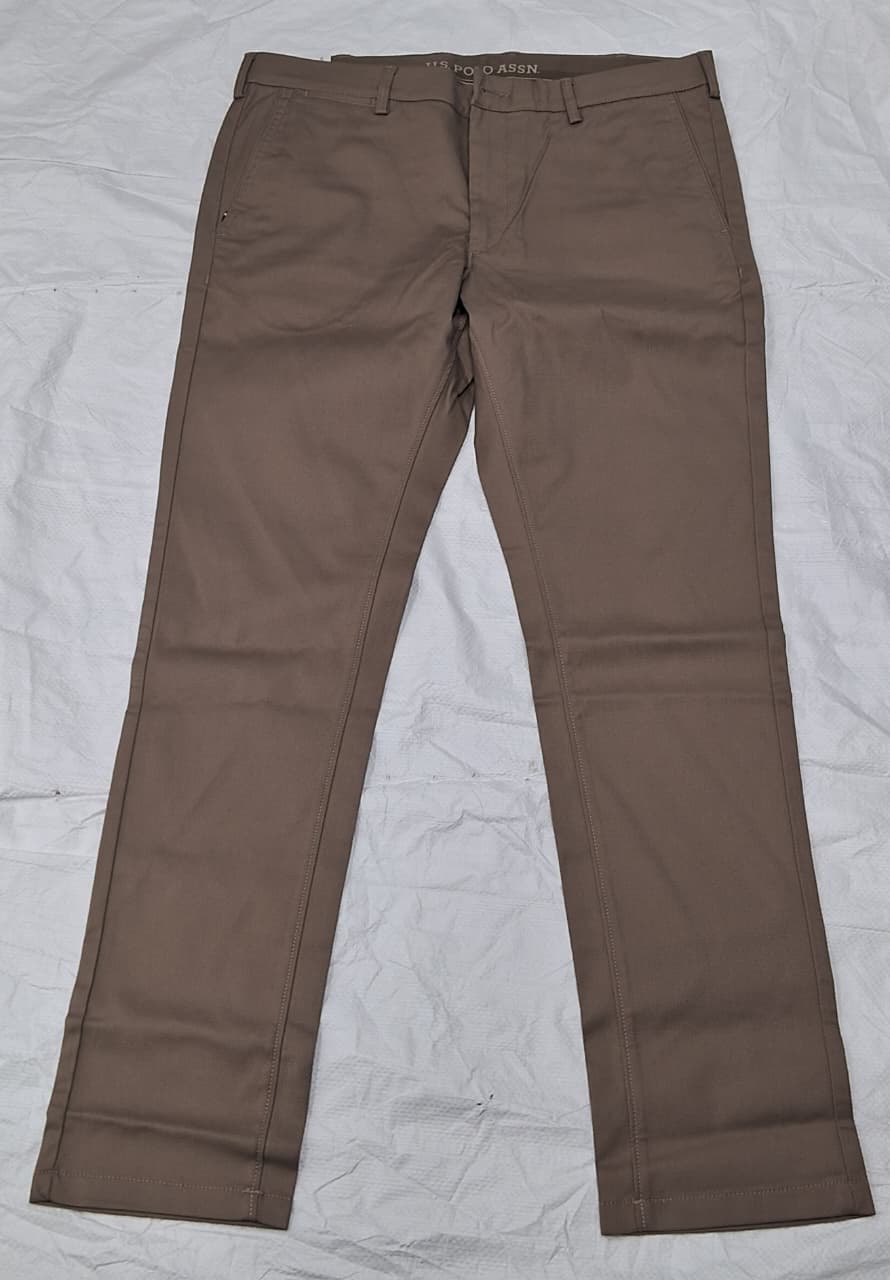
Brown trousers have returned to contemporary menswear. They are warmer and less corporate than grey or navy, and they look especially rich in textured surfaces.
Pair brown with cream, white or blue shirts and navy, beige or olive jackets. Dark brown shoes create a tonal look; tan shoes add lift.
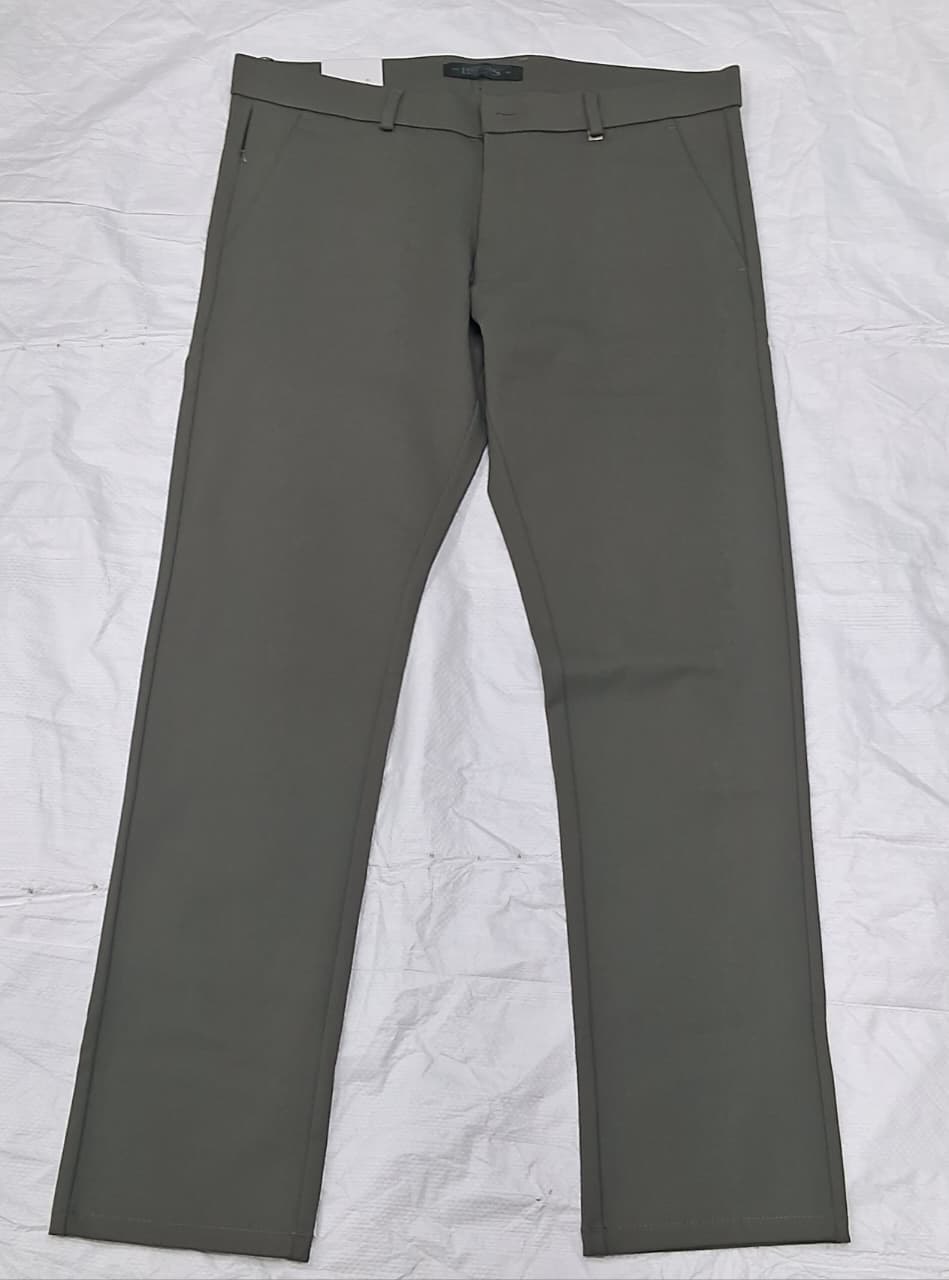
Olive is the contemporary alternative to grey and navy. It reads as a neutral but carries a quiet personality, and it suits creative offices and smart casual settings particularly well.
Olive pairs naturally with white, cream and light blue shirts, navy and brown jackets, and brown or tan shoes.
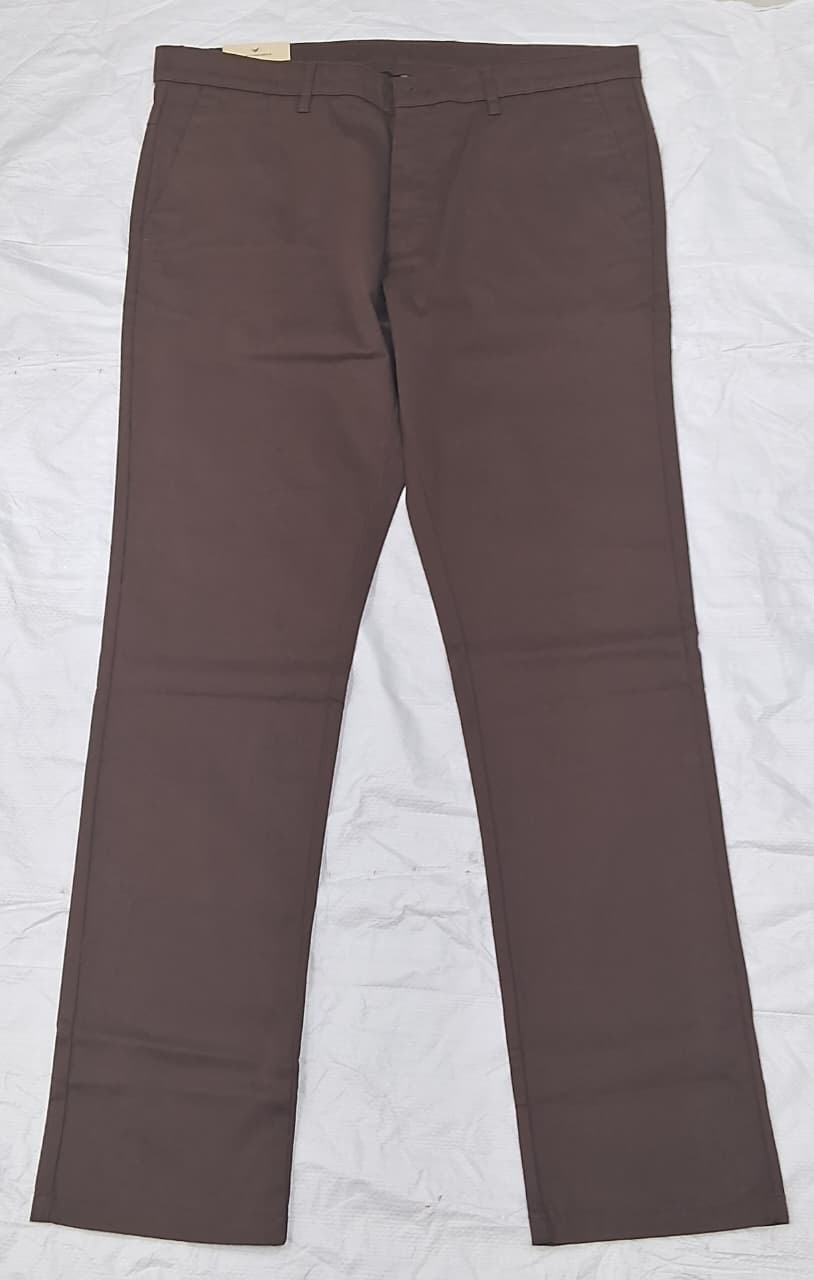
Between the classic colours lies a family of contemporary neutrals: taupe, stone, mushroom, mauve-grey and sage. They are quieter than brown or olive and warmer than grey, and they make a wardrobe look current without being loud.
Neutrals are ideal for tonal dressing — combining several close shades — and work with white shirts, navy jackets and suede or soft leather shoes.
Principles
Four principles explain almost every successful trouser colour combination.
Darker trousers read more formal; lighter ones more relaxed. Black and charcoal for formal occasions, grey and navy for business, beige, cream and olive for smart casual.
A clear difference in depth between shirt and trouser — light over dark, or dark over light — makes the waistline crisp and the proportions read clearly. Low contrast softens the outline and can make an outfit look flat.
Wearing several close shades of one colour — a grey trouser with a slightly lighter grey knit, or beige with cream — creates an unbroken column that makes the figure look longer. Vary the texture so that it does not look like a uniform.
Black shoes formalise; brown shoes warm; tan and suede relax. The shoe should sit in the same formality range as the trouser colour, and the belt should match the shoe.
Scroll sideways to see the full table →
| Trouser | Shirts | Blazers & jackets | Footwear | Tonal option |
|---|---|---|---|---|
| Black | White, pale grey | Black, charcoal | Black leather | Charcoal knit |
| Charcoal | White, light blue, lilac | Navy, black, mid grey | Black, dark brown | Grey knit |
| Grey | White, blue, pink | Navy, charcoal, brown | Black, brown, burgundy | Lighter grey knit |
| Navy | White, light blue, grey | Grey, beige, camel | Brown, tan | Mid-blue shirt |
| Beige | White, navy, sky blue | Navy, brown, olive | Brown, tan, suede | Cream shirt |
| Cream | Navy, white, pastels | Navy, brown, olive | Tan, white | Stone knit |
| Brown | Cream, white, blue | Navy, beige, olive | Dark brown, tan | Camel knit |
| Olive | White, cream, light blue | Navy, brown, beige | Brown, tan, white | Sage shirt |
| Neutrals | White, tonal shades | Navy, tonal | Brown, suede | Taupe knit |
If you are building a formal trouser wardrobe from the beginning, start with the colours that do the most work: charcoal or mid grey, and navy. Add beige for warm weather and smart casual. Then add character — brown, olive, cream or a modern neutral — once the essentials are in place.
The Journal expands on this in Building a versatile formal trouser wardrobe and Coordinating formal pants with shirts.