The Proportion Project Study 05 · Fabric Research
+91 83693 81345

Fabricresearch, under the lens.

Grey-blue checked men's formal trousers laid flat

Before you notice the cut or the colour of a pair of formal trousers, you notice the surface. Matte or lustrous, smooth or textured, crisp or soft — the fabric's appearance sets the formality and decides how the silhouette behaves.

This research publication studies eight visual qualities of trouser fabrics. Each plate pairs a full photograph with a magnified view of the surface.

Method note — we record what can be seen in the photographs and how each appearance influences styling. We do not state fibre compositions, weights, thread counts or other technical specifications.

TexturePlate F-01
Brown men's formal trousers with a visibly textured surface, laid flat
× surface detail

Texture is the visible structure of a fabric — the weave, rib or grain you can see without touching it. A textured surface catches light unevenly, which gives the trouser depth and makes the colour look richer.

Visible texture also moves the trouser away from strict formality. A textured brown trouser reads warmer and more relaxed than a smooth one in the same shade, and pairs naturally with knitwear and unstructured jackets.

Reads as
Warm, tactile, slightly relaxed
Pairs with
Knitwear, soft jackets, suede shoes
Silhouette
Softens sharp tailoring
Surface appearancePlate F-02
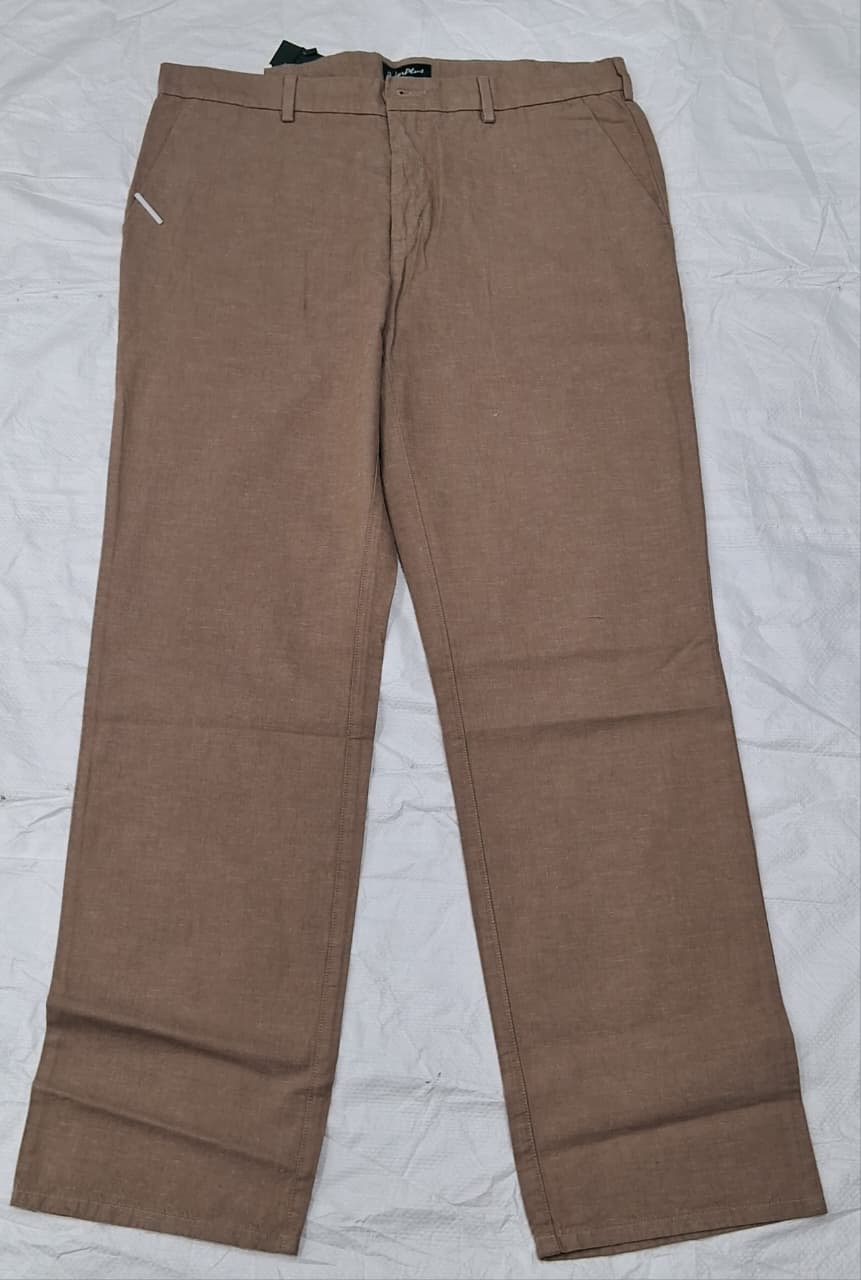
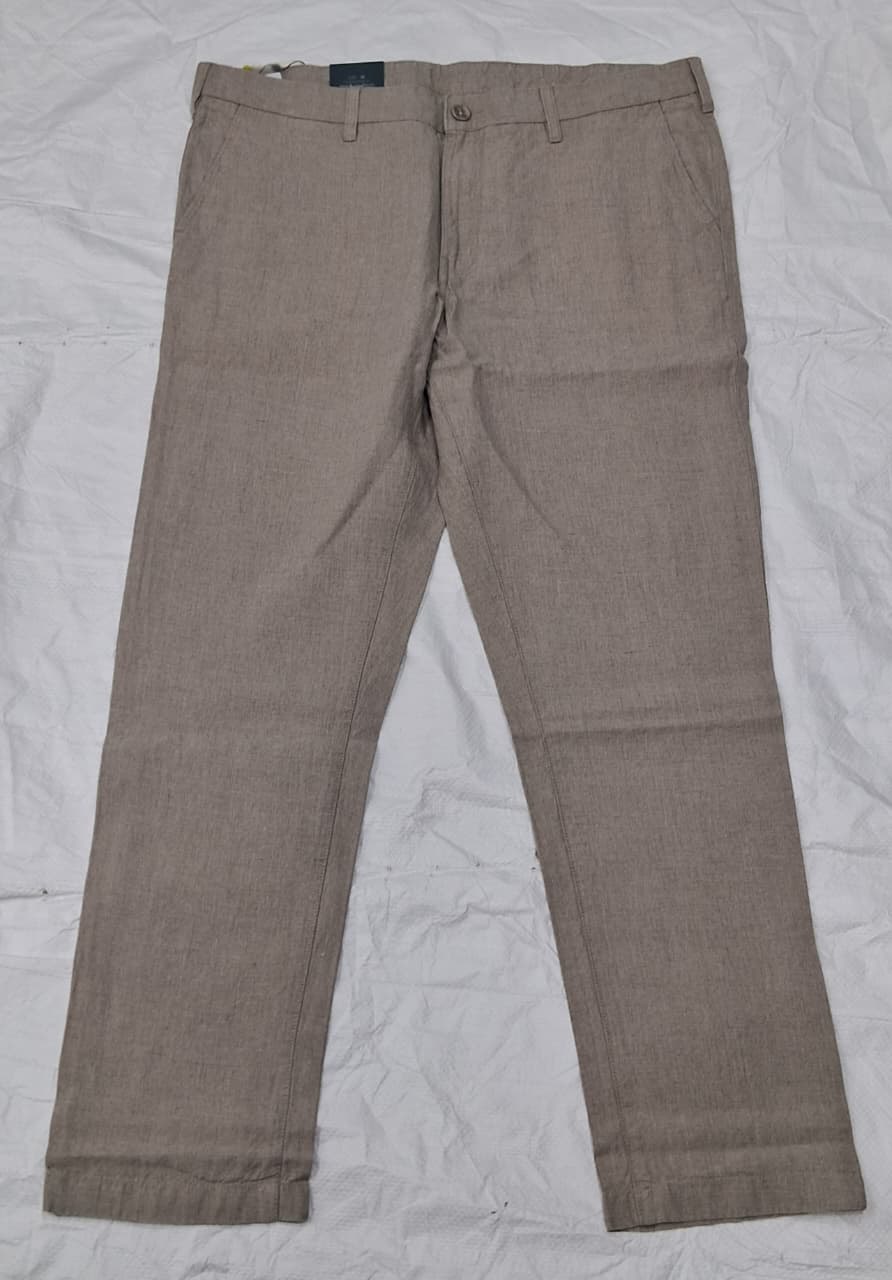
Tan men's formal trousers with a mottled, melange-like surface, laid flat
× surface detail

Surface appearance is the overall impression a fabric gives at conversational distance: is it flat and even, mottled, flecked or lustrous? A mottled tan surface like this one combines tones within the cloth, so from a few steps away it reads as a single soft colour with subtle movement.

Mixed-tone surfaces are forgiving: they disguise creases from sitting and travelling, and they coordinate easily because they already contain more than one shade.

Reads as
Soft, natural, approachable
Pairs with
White and blue shirts, brown leather
Silhouette
Gentle, less stark
PatternPlate F-03
Source — the full trouser appears at the top of this page, under the lens.

Pattern adds direction. A fine check like this grey-blue one reads as a solid colour from across a room and reveals itself only up close — the most wearable kind of pattern for formal pants.

Vertical stripes lengthen the leg; checks add a little width and a lot of character. With patterned trousers, keep the rest of the outfit plain: a solid shirt and jacket let the pattern do its work.

Reads as
Considered, characterful
Pairs with
Solid navy or charcoal jackets, white shirts
Silhouette
Stripes lengthen, checks broaden
StructurePlate F-04
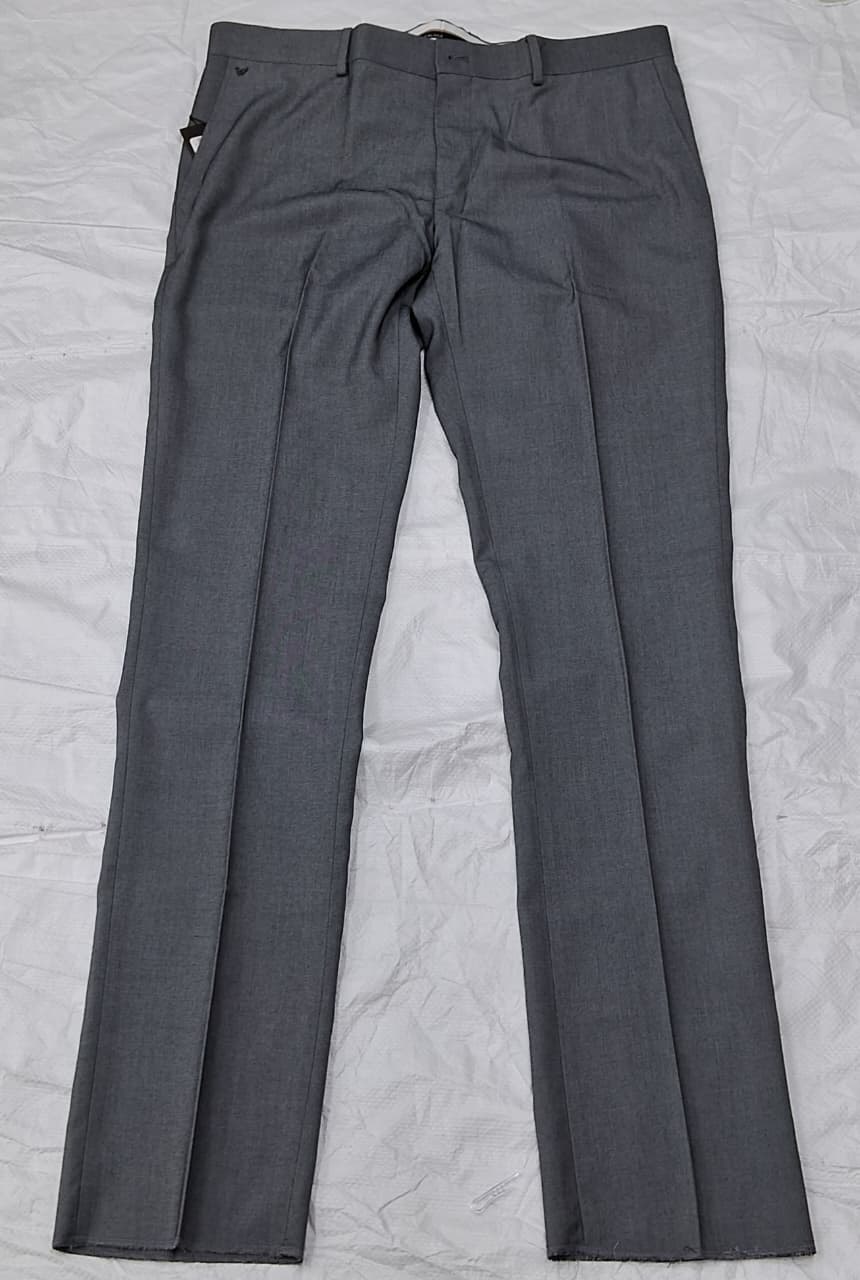
Brown-grey men's formal trousers with a smooth, structured appearance, laid flat
× surface detail

Structure describes how much a fabric holds its own shape. A structured cloth stands slightly away from the body, keeps its crease and lies flat when laid down — as this smooth brown-grey trouser does, with clean, straight edges from waist to hem.

Structured fabrics suit tailored and straight silhouettes because they keep the line the cut intends. They look sharp in offices and at formal events.

Reads as
Precise, architectural
Pairs with
Blazers, formal shirts, polished shoes
Silhouette
Holds a sharp line
SoftnessPlate F-05
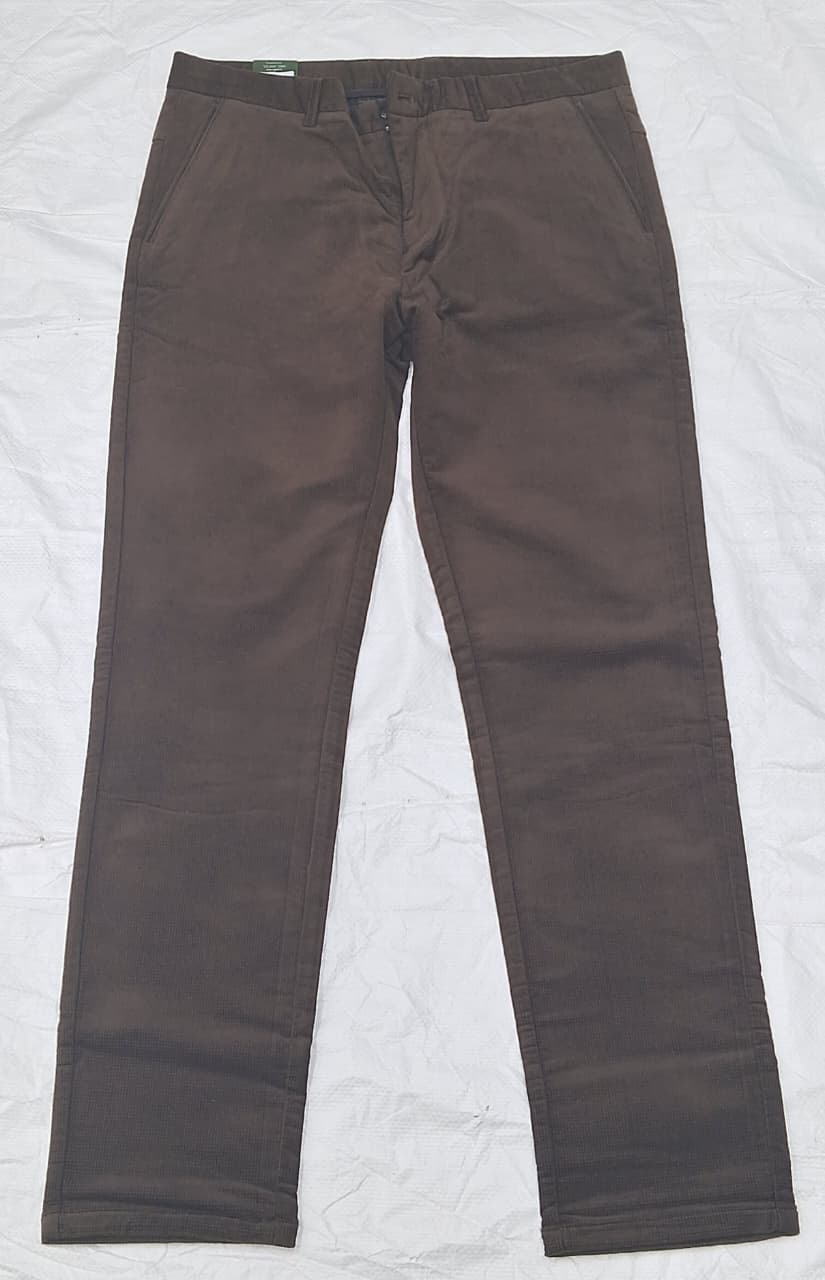
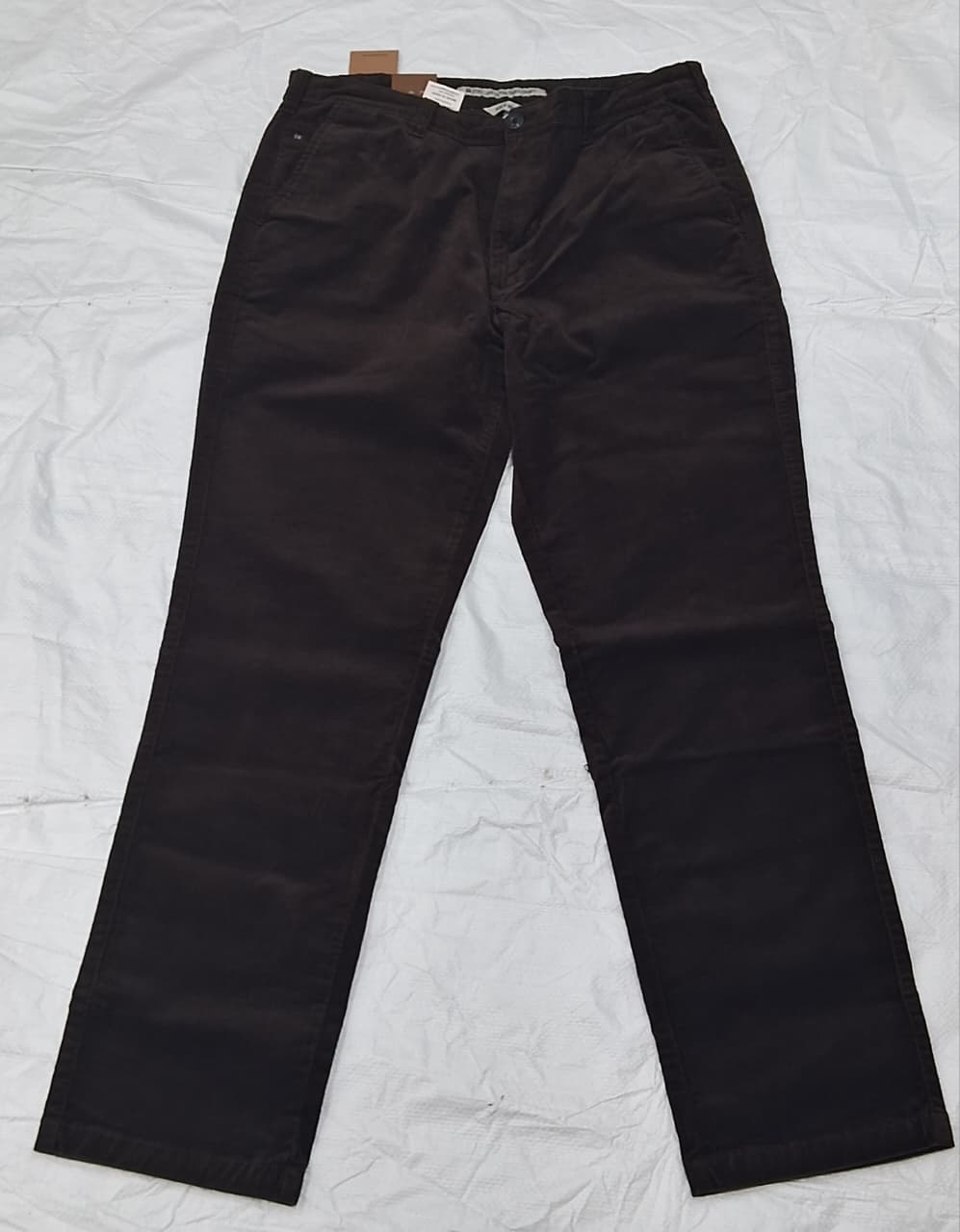
Dark brown men's trousers with a soft corded surface, laid flat
× surface detail

Soft fabrics look rounded rather than angular: edges curve, folds are gentle and light is absorbed rather than reflected. This dark brown trouser, with its fine corded surface, has a visibly soft, almost velvety appearance.

Softness reads as comfort and warmth. It works beautifully in relaxed formal settings and in cooler weather, but it rarely holds a razor-sharp crease — so it suits straight or relaxed legs better than very slim ones.

Reads as
Warm, comfortable, rich
Pairs with
Knitwear, flannel-look jackets, suede
Silhouette
Rounded, easy
CrispnessPlate F-06
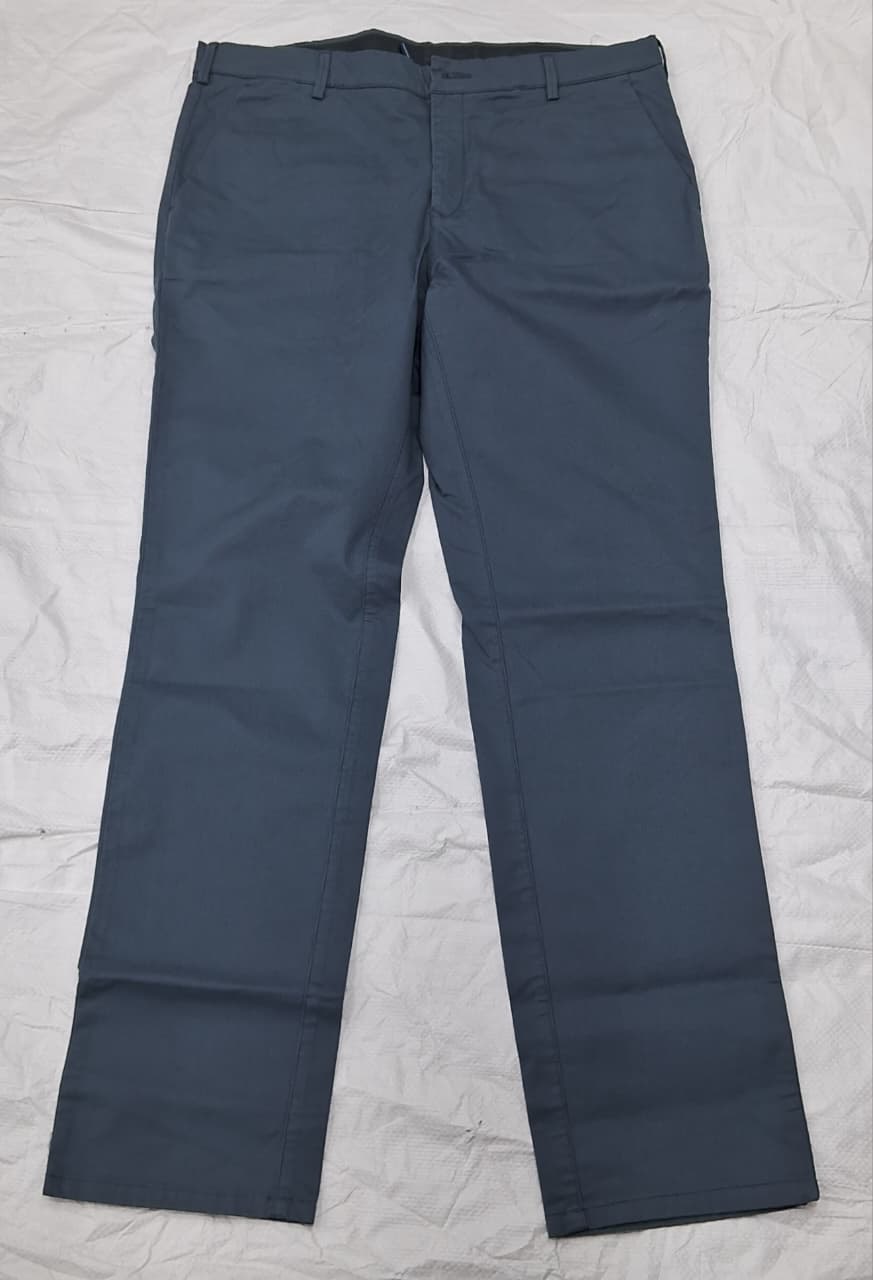
Blue men's formal trousers with a crisp, clean surface, laid flat
× surface detail

Crispness is the opposite of softness: a dry, clean appearance with defined edges and a crease that stays sharp. This blue trouser lies with crisp lines and an even, fine-grained face.

Crisp fabrics make trousers look fresh and precise. They are especially effective in warm climates and busy offices, where a trouser needs to look as sharp at six in the evening as it did at nine in the morning.

Reads as
Fresh, precise, energetic
Pairs with
Crisp cotton shirts, light blazers
Silhouette
Clean, defined lines
DrapePlate F-07
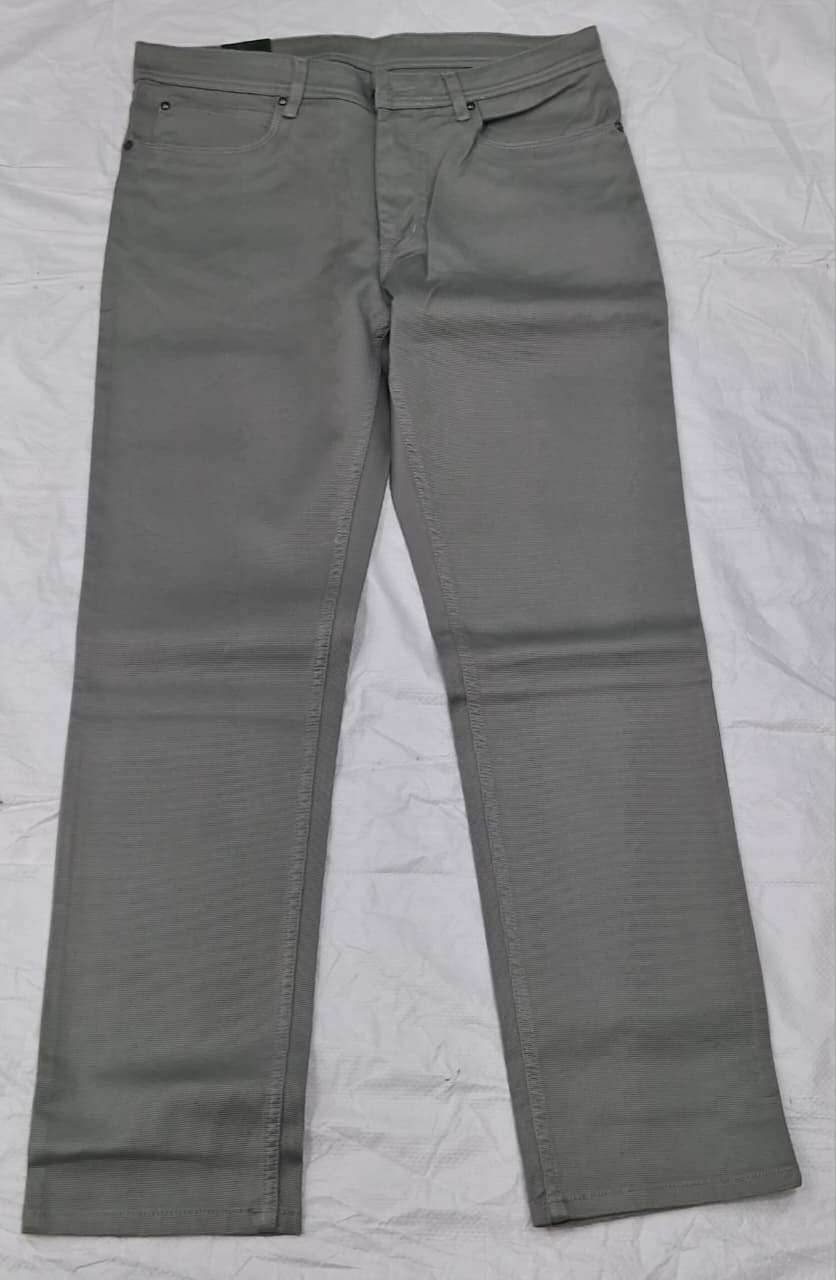
Grey-green men's trousers with a fine textured surface, laid flat
× surface detail

Drape is the way fabric falls under its own weight. A fabric with good drape hangs in long, continuous lines from the seat and knee; a fabric with little drape holds stiffer, more angular shapes.

Drape determines how a trouser looks in motion. Fluid drape makes a fuller or pleated trouser move elegantly; firmer drape keeps a slim trouser looking neat. Choosing the right combination of cut and drape is one of the subtlest skills in menswear — explored further in How fabric appearance influences trouser drape.

Reads as
Fluid or firm, depending on cloth
Pairs with
Matched to the silhouette
Silhouette
Decides how the leg moves
FinishPlate F-08
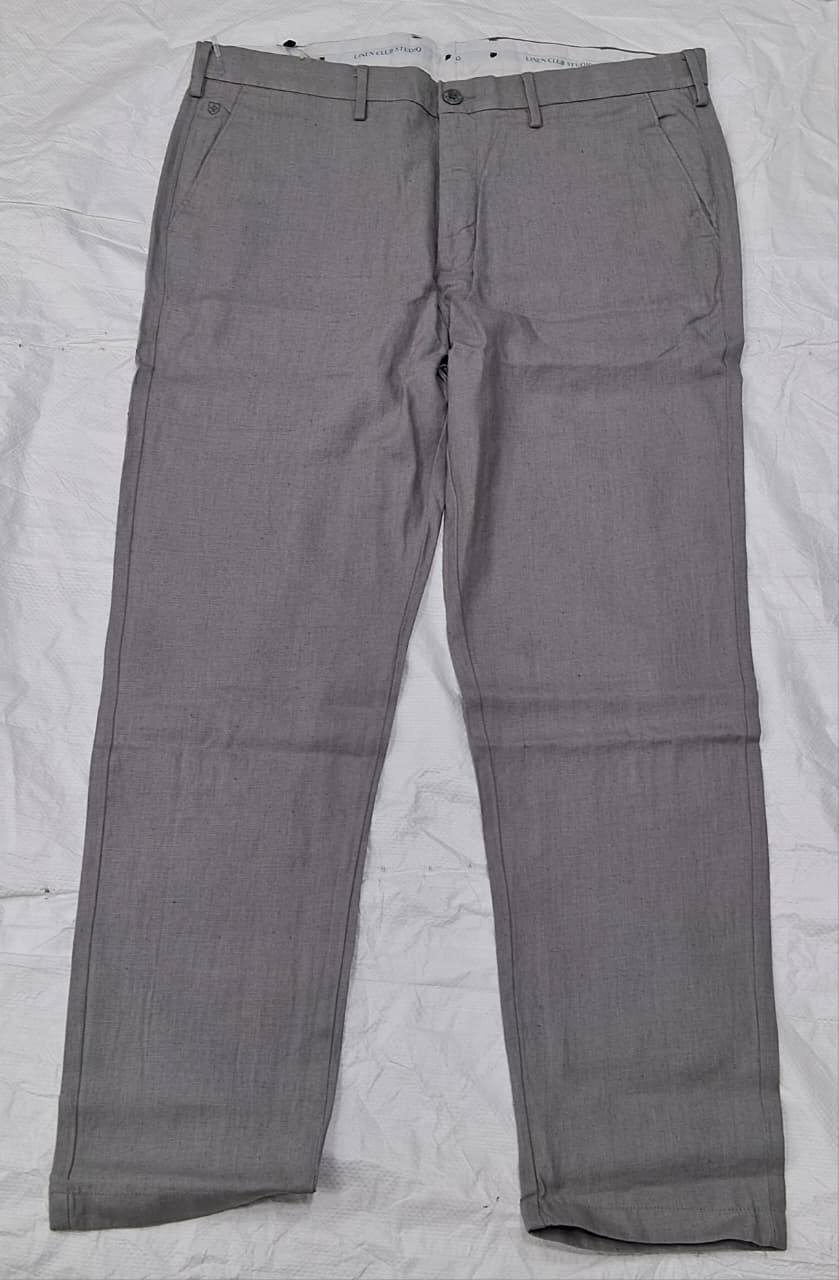
Grey men's formal trousers with a matte micro-patterned finish, laid flat
× surface detail

Finish is the final character of the fabric's face: matte or lustrous, dry or smooth, plain or micro-patterned. This grey trouser has a matte finish with a tiny all-over pattern that is only visible up close.

Matte finishes look understated and versatile; a gentle sheen looks dressier and suits evening wear. Micro-patterns add interest without compromising formality — a quietly sophisticated choice for business trousers.

Reads as
Understated, refined
Pairs with
Almost everything in a business wardrobe
Silhouette
Neutral — lets the cut lead

Reading scales

Four ways to read a fabric at a glance

Place any trouser fabric on these four scales and you will know how formal it looks and how it will behave.

Smooth → Textured

Smoother reads more formal; more texture reads warmer and more relaxed.

Crisp → Soft

Crisp keeps lines sharp and fresh; soft adds comfort and roundness.

Structured → Fluid

Structure holds the cut's shape; fluid drape adds movement.

Plain → Patterned

Plain is the most versatile; pattern adds character and direction.

Application

How surface changes styling

For the office

Smooth, structured, matte or micro-patterned surfaces in charcoal, navy and grey are the core of men's office wear. They hold a crease, look composed all day and work with any formal shirt.

For smart casual

Textured, mottled and corded surfaces in brown, olive and beige bring warmth. Pair them with knitwear or an open-collar shirt and keep the shoes in suede or soft leather.

For the season

Visually, light, dry and slubbed surfaces look at home in warm weather, while denser, softer-looking surfaces read as cooler-season choices. Treat this as a matter of appearance; the garment label is the place to check the actual fabric.

For pattern

One pattern per outfit is a reliable rule. If the trousers are checked or striped, choose plain shirts and jackets.

Surface is silhouette

The same cut in two different fabrics will not look like the same trouser. A structured, crisp cloth draws a sharp line; a soft, textured one draws a gentle one. When choosing formal pants, read the surface as carefully as the shape — and choose a combination in which both agree.

Next, the Movement & Style chapter puts cut and cloth in motion, following formal trousers through a working day.