Trouser formsEight silhouettes of men's formal trousers, exhibited.
A silhouette is the outline a trouser draws from waist to hem. Change it, and you change the whole figure — how tall the wearer looks, how the jacket sits, how formal the outfit reads.
This exhibition presents eight forms of men's formal pants. Each plinth shows the garment, describes its visual signature and suggests where and how it works best. There is nothing to buy here — only shapes to understand.
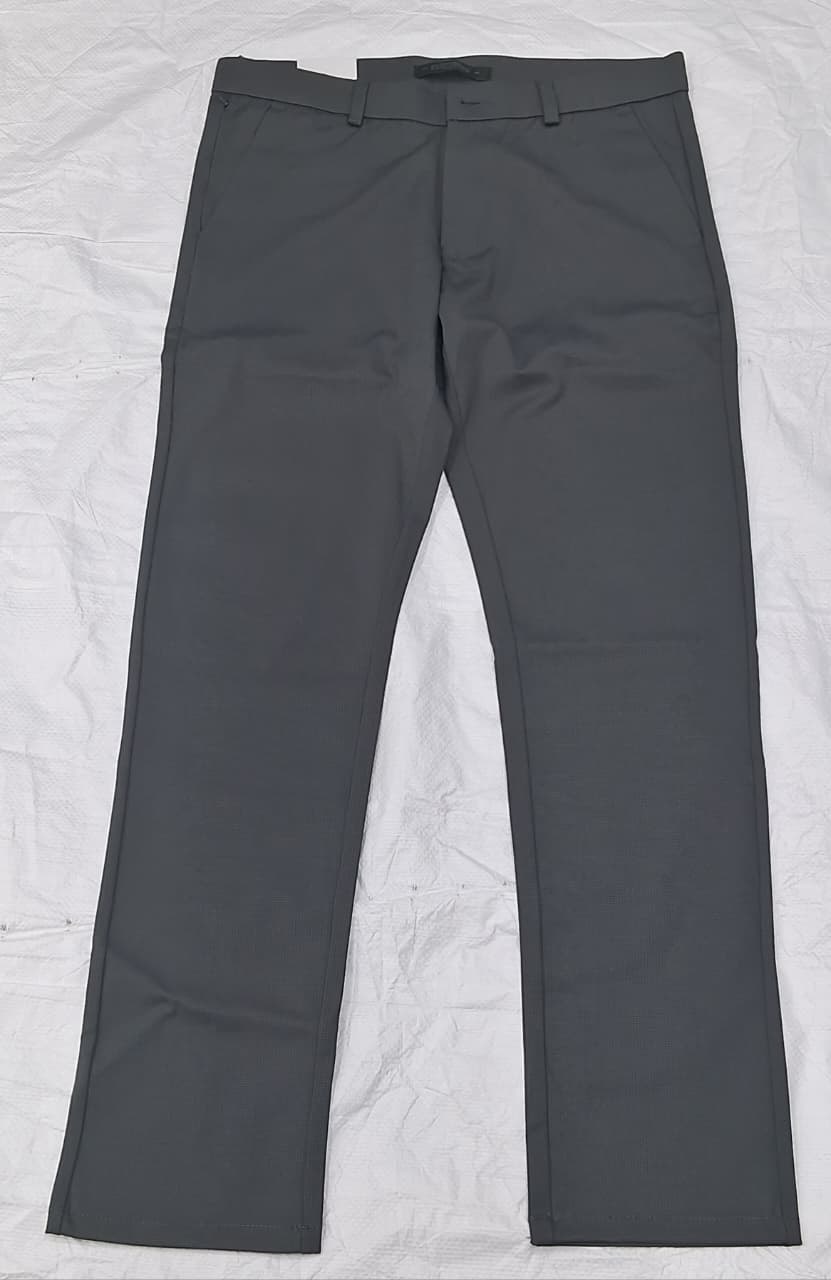
Classic formal pantsThe reference point for every other shape.
The classic formal trouser is defined by moderation. It sits at a comfortable mid-to-natural waist, allows easy room through the seat and thigh, and falls in a clean, gently tapered line to an opening that comfortably covers a dress shoe. Nothing about it is exaggerated, which is precisely why it is so useful.
It is the silhouette most men picture when they think of men's office trousers: dark, pressed, quietly correct. It pairs with almost any jacket length and works with both slim and substantial shoes.
- Rise
- Mid to natural waist
- Seat & thigh
- Comfortable, unrestricted
- Leg line
- Gentle taper with a sharp crease
- Best with
- Suits, blazers, oxfords and derbies
- Occasions
- Daily office wear, meetings, formal events
Plinth 02
Slim fit pantsLess cloth, a longer line.
Men's slim fit formal pants remove volume from the thigh and knee and narrow the opening. The result is a long, clean, modern line that makes the leg appear lengthened — especially in dark colours.
Because there is less fabric, fit has to be precise. The seat should be smooth rather than tight, the thigh should allow a full stride, and the length usually works best with a slight break or none. Slim trousers sit naturally under short jackets and with sleek loafers or sneakers in smart-casual settings.
- Rise
- Usually mid-rise
- Seat & thigh
- Close but not restrictive
- Leg line
- Noticeable taper to a narrow opening
- Best with
- Short jackets, fitted shirts, loafers
- Occasions
- Modern offices, events, smart casual
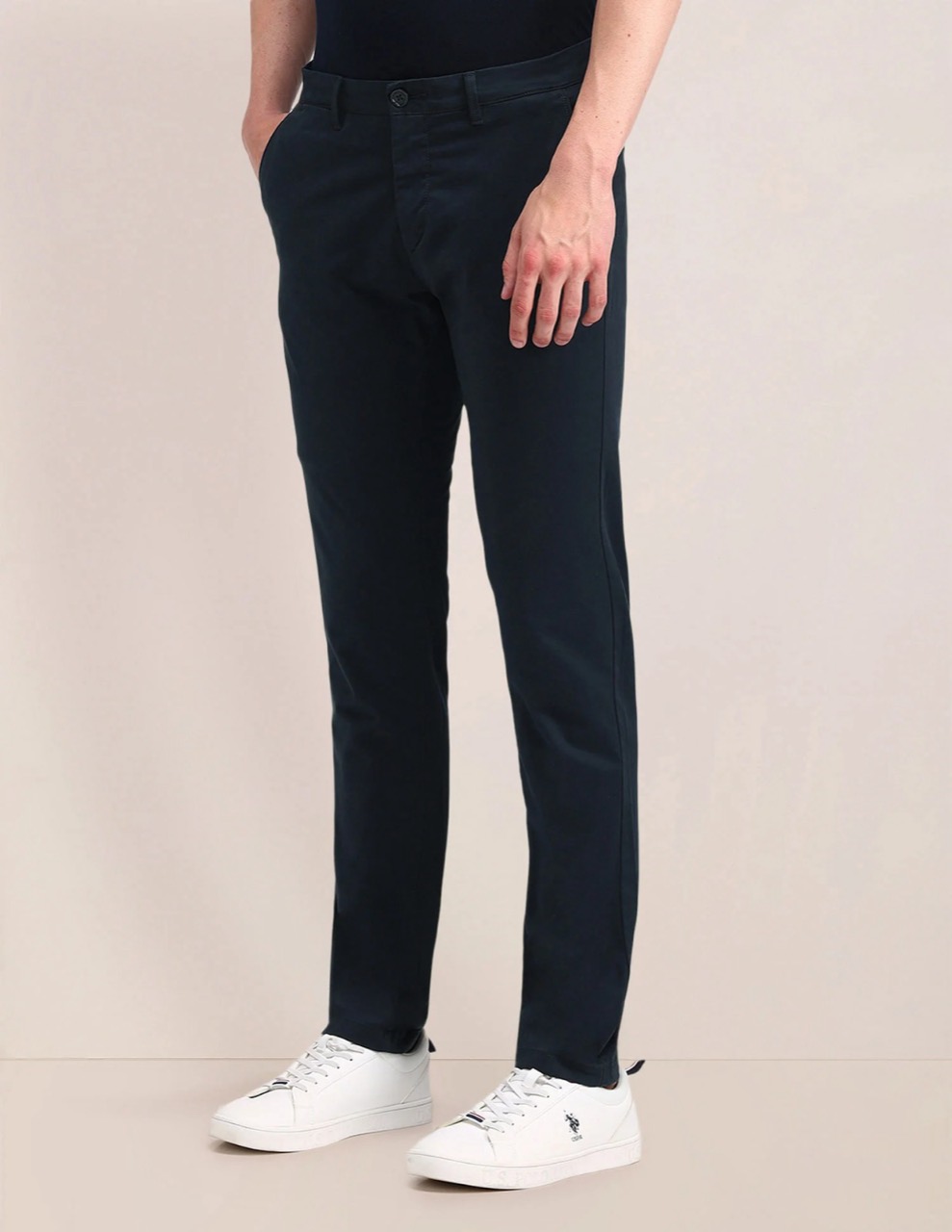
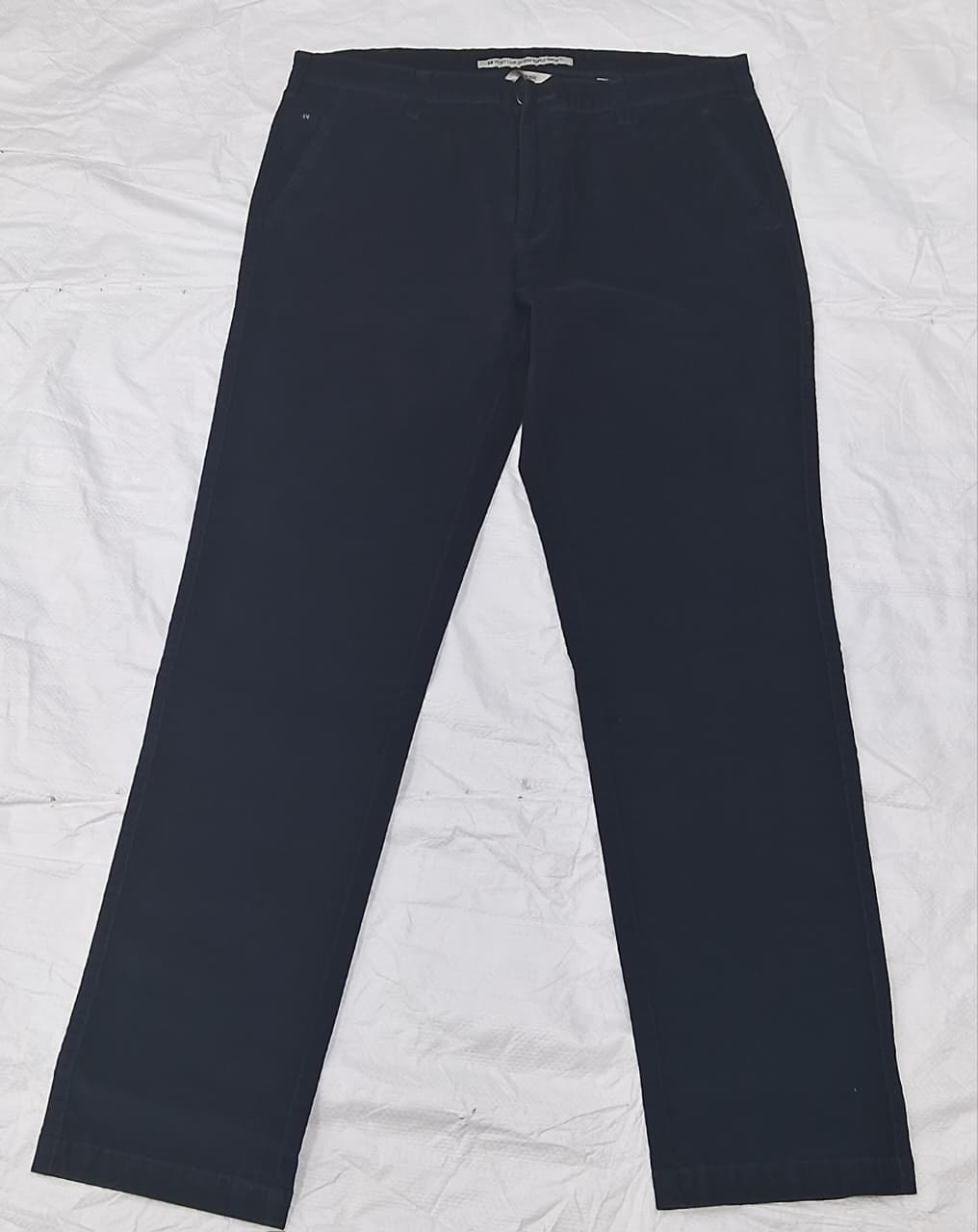
Regular fit pantsComfort as a design decision.
Men's regular fit formal pants keep a relaxed seat, generous thigh room and a straight leg. They are designed for long days, frequent sitting and men who prefer fabric that skims the body rather than following it.
Regular fit is not the same as loose. A good regular trouser still has a settled waist, a clean front and a crease that hangs straight; it simply leaves the wearer room to move.
- Rise
- Mid to natural waist
- Seat & thigh
- Easy and roomy
- Leg line
- Straight with little taper
- Best with
- Classic shirts, longer jackets, derbies
- Occasions
- All-day office wear, travel
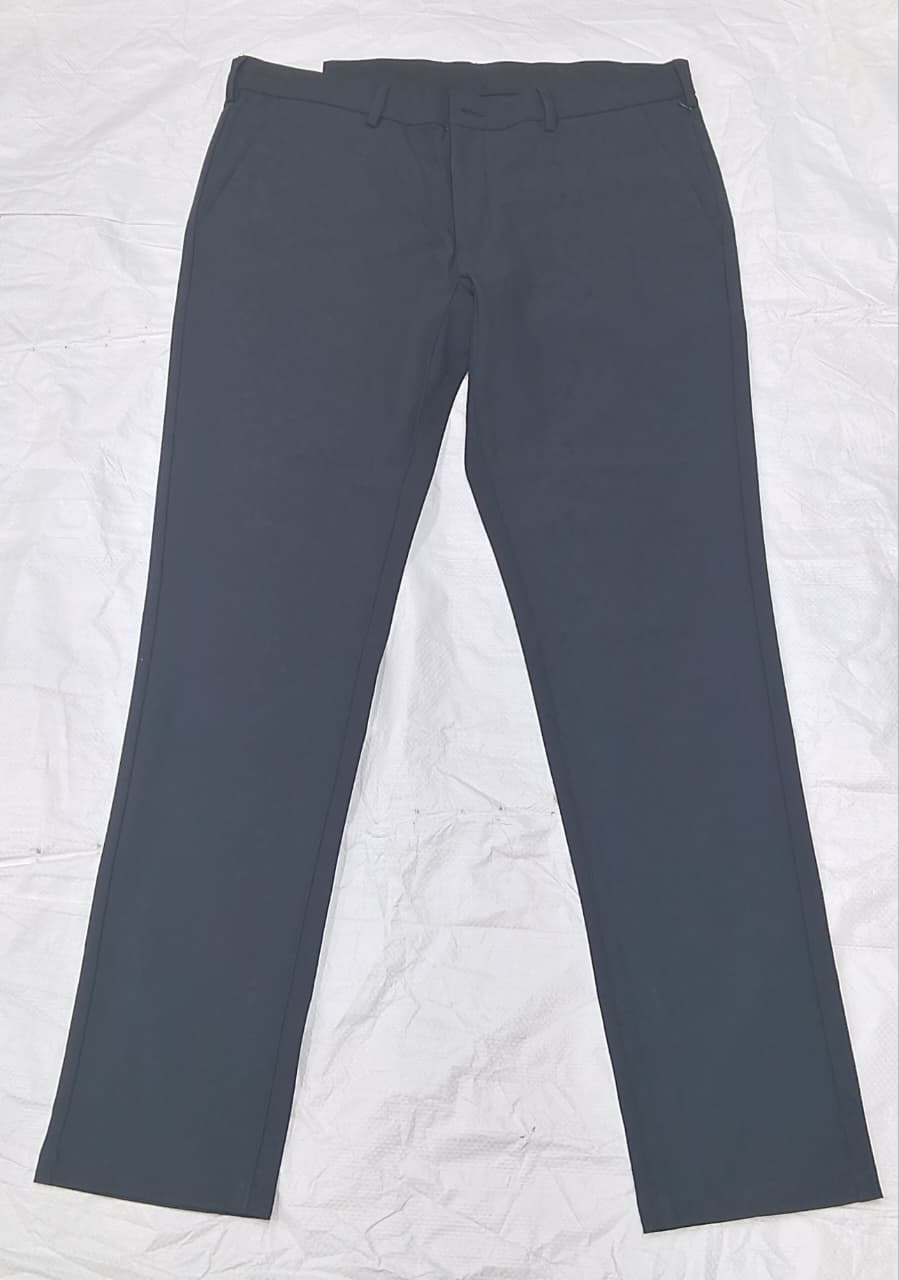
Tailored fit pantsShaped where it matters.
Men's tailored trousers sit between slim and regular. They are shaped to follow the seat, keep a moderate thigh and taper gently below the knee. Nothing grips, nothing hangs loose.
This balance is why the tailored fit has become the default silhouette of modern office dressing. It looks precise under a blazer, neat with a tucked shirt alone and comfortable through a full working day.
- Rise
- Mid-rise
- Seat & thigh
- Follows the body with ease
- Leg line
- Gentle taper from knee to hem
- Best with
- Blazers, formal shirts, loafers, oxfords
- Occasions
- Office, client meetings, presentations
Plinth 05
Straight-leg pantsA plumb line from knee to hem.
In a straight-leg trouser, the width at the knee is carried all the way down to the hem. The crease drops vertically and the leg reads as a column — calm, architectural and slightly traditional.
Straight legs balance broader shoulders, longer jackets and heavier shoes such as brogues and derbies. They are also forgiving: a straight leg hides small changes in posture and keeps its line when you sit and stand.
- Rise
- Mid to natural waist
- Seat & thigh
- Comfortable
- Leg line
- Even width from knee to opening
- Best with
- Longer jackets, substantial shoes
- Occasions
- Traditional business, formal events
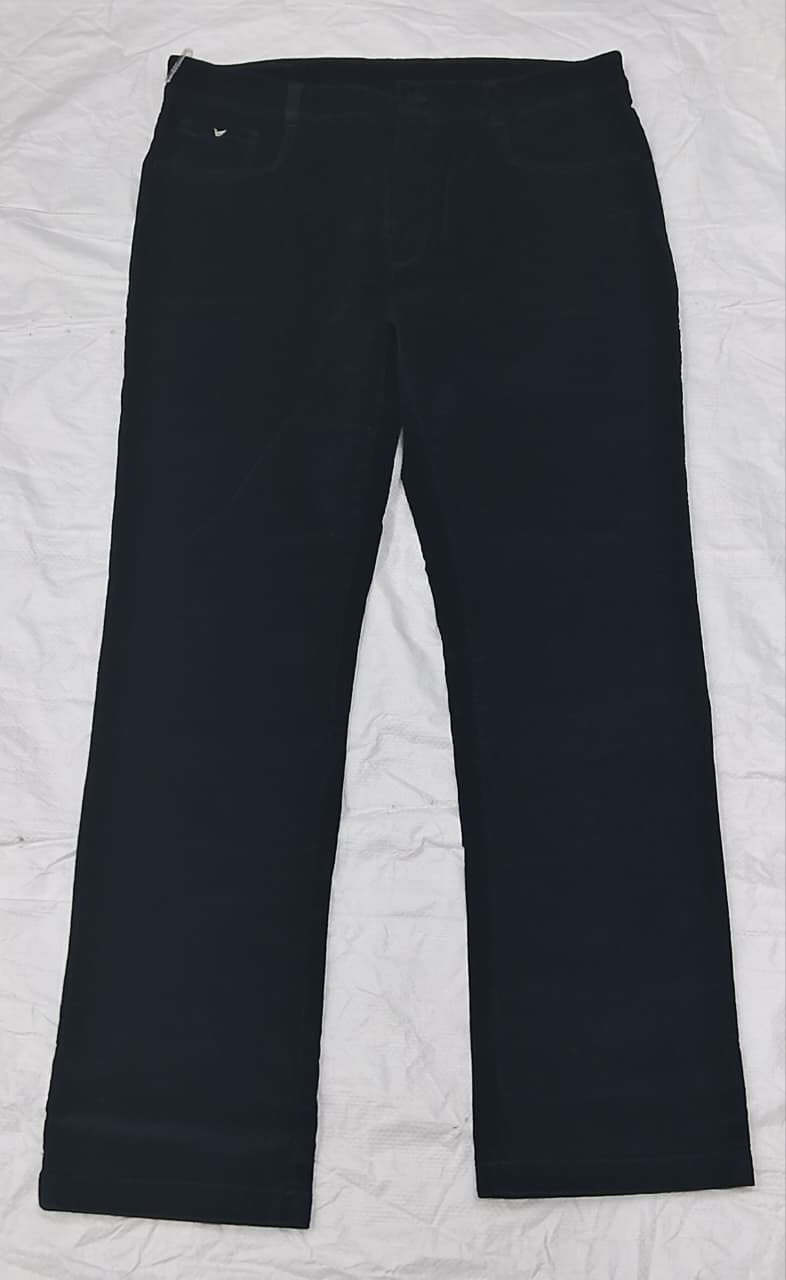
Plinth 06 — technical drawing
Pleated pantsFolded room at the waist.
Men's pleated trousers have one or two folds stitched into the waistband on each side of the fly. The folds release extra cloth over the hip and thigh, giving a softer drape and more comfort when sitting.
Pleats were standard in mid-century tailoring and have returned in contemporary menswear, often combined with a higher rise and a tapered leg. Forward-facing pleats open towards the fly; reverse pleats open towards the pockets — both lead the eye into the crease.
Pleats work best when the trouser fits at the waist and hip; if the fit is too tight, the pleats are pulled open and lose their shape. Read more in Pleated versus flat-front formal pants.
- Rise
- Mid to high
- Seat & thigh
- Generous, soft
- Leg line
- Straight or tapered
- Best with
- Soft jackets, knitwear, substantial shoes
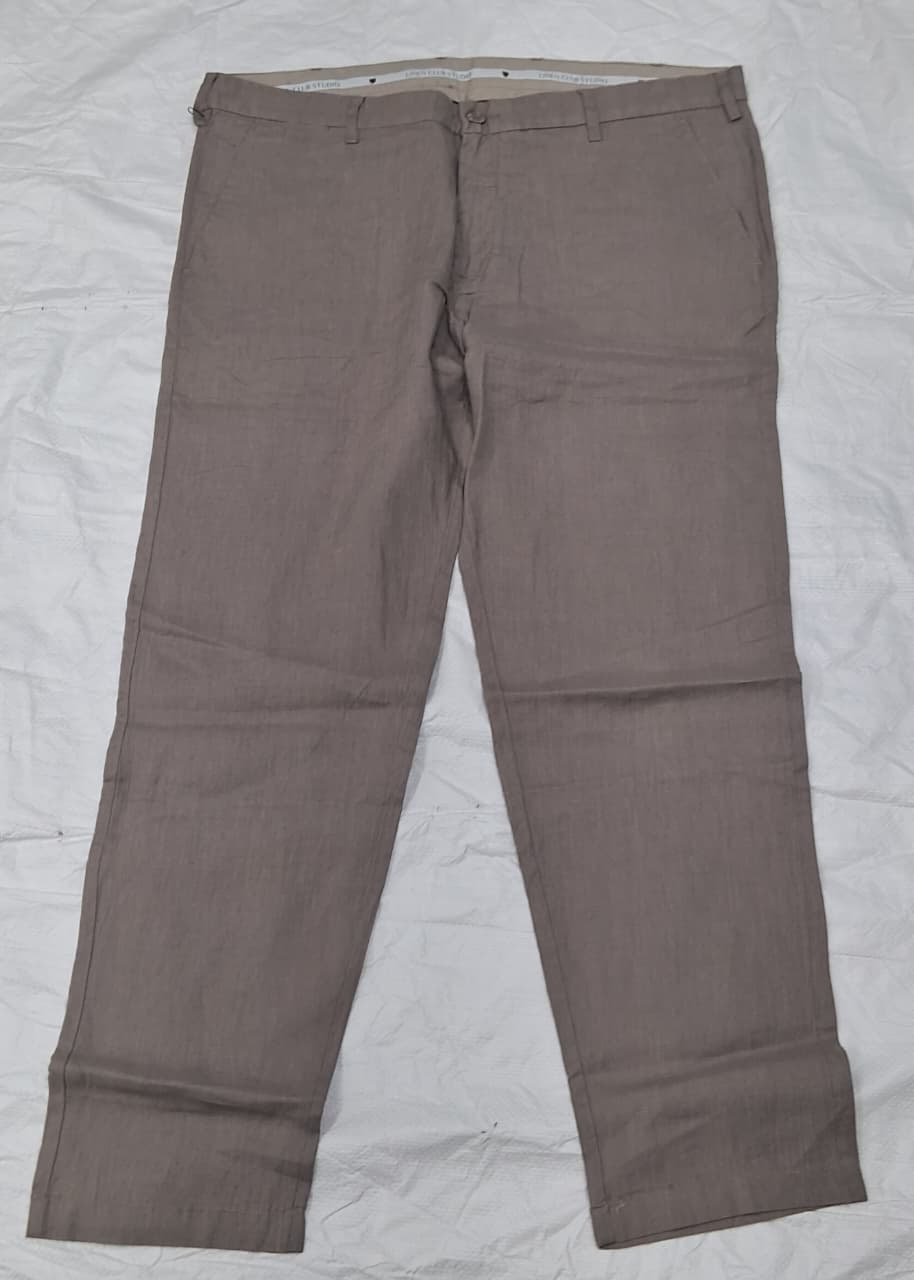
Flat-front pantsA smooth, uninterrupted panel.
Men's flat front trousers have no pleats: the front panel lies flat from the waistband to the start of the crease. They look clean and minimal and keep visual volume to a minimum around the hip.
Flat fronts are the natural partner of slim and tailored legs, fitted shirts and shorter jackets. The trousers photographed throughout this project are flat-fronted — a reflection of how dominant the style is in everyday formal wear.
- Rise
- Low to mid
- Seat & thigh
- Neat, closer to the body
- Leg line
- Slim, tailored or straight
- Best with
- Tucked shirts, short jackets, sleek shoes
- Occasions
- Office, formal and smart casual
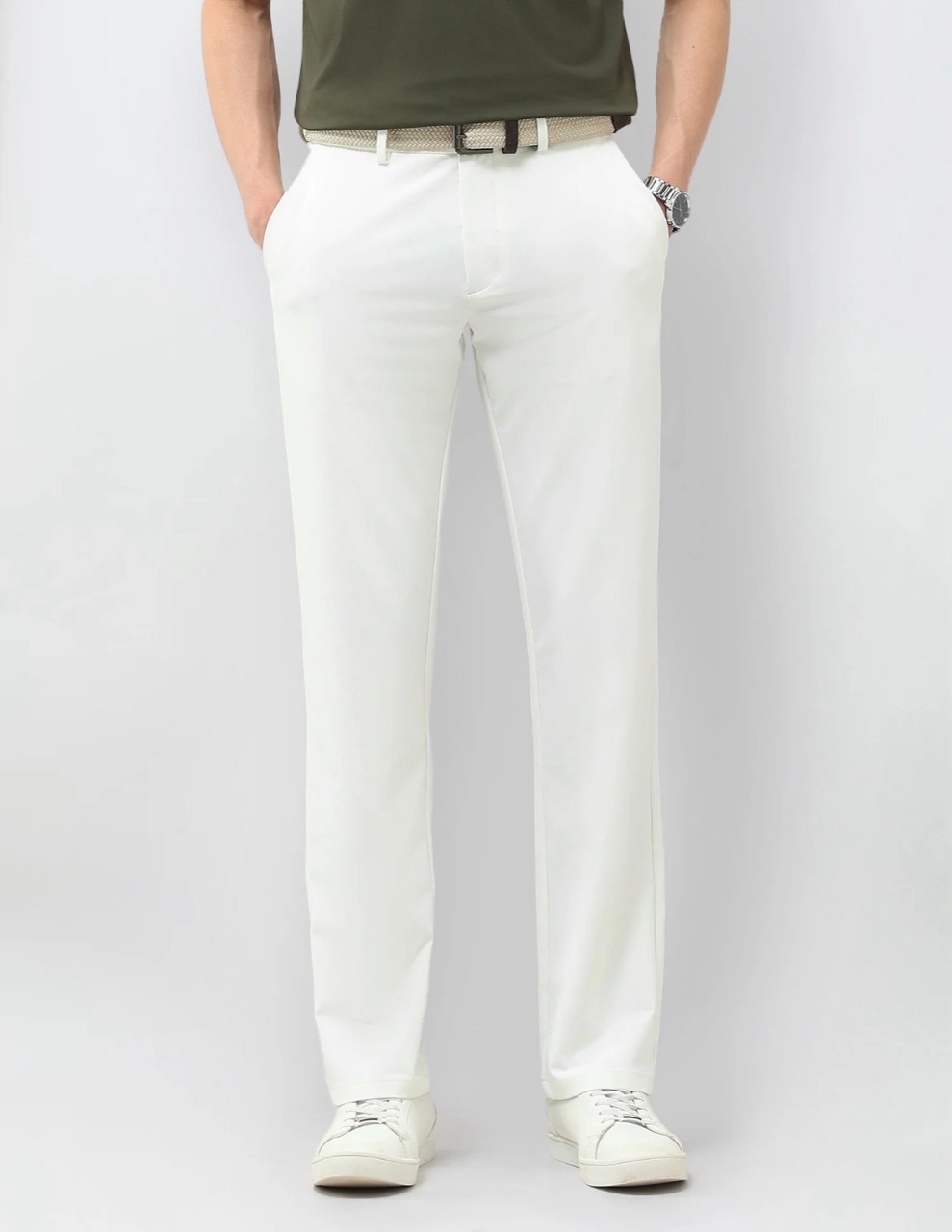
Contemporary formal pantsClassic construction, newer choices.
Contemporary formal trousers keep the construction of tailoring — waistband, belt loops, pressed crease — but make newer choices in colour, surface and silhouette. Think cream, sage and teal instead of only charcoal; subtle checks and textured weaves; easier legs that still hold a crease.
They are ideal when an outfit needs to be formal enough for work but personal enough to be remembered — and they bridge the gap between office wear and weekend dressing.
- Rise
- Mid to high
- Seat & thigh
- Tailored to relaxed
- Leg line
- Straight or softly tapered
- Best with
- Knitwear, open collars, clean sneakers or loafers
- Occasions
- Creative offices, events, travel
Comparison
The forms side by side
Use this matrix to compare the eight silhouettes at a glance. It describes appearance and use — not sizes or measurements.
Scroll sideways to see the full table →
| Form | Visual signature | Volume | Formality | Natural partners |
|---|---|---|---|---|
| Classic | Moderate, pressed, timeless | Medium | High | Suits, oxfords, any jacket |
| Slim fit | Long, narrow, modern | Low | Medium–high | Short jackets, loafers |
| Regular fit | Easy, straight, comfortable | Medium–high | Medium–high | Longer jackets, derbies |
| Tailored fit | Shaped seat, gentle taper | Medium–low | High | Blazers, formal shirts |
| Straight-leg | Vertical, architectural | Medium | High | Long jackets, brogues |
| Pleated | Soft folds, fuller hip | High | Medium–high | Soft tailoring, knitwear |
| Flat-front | Smooth, minimal | Low | All levels | Tucked shirts, sleek shoes |
| Contemporary | New colours, textures | Varies | Medium | Knitwear, clean sneakers |
Choosing a form is choosing a proportion.
No silhouette is universally best. A slim fit flatters a lean frame and a short jacket; a straight leg balances a broader build and heavier shoes; pleats bring comfort and softness; a flat front keeps things clean. The right form depends on the body, the occasion and the rest of the outfit.
Once you know which shape you want, the next question is fit — how that shape should sit on your body. That is the subject of the next chapter.